Seal and Insulate Your Commercial Roof
SRI Contractors installs spray foam roofing and coating systems for commercial buildings across Missouri.
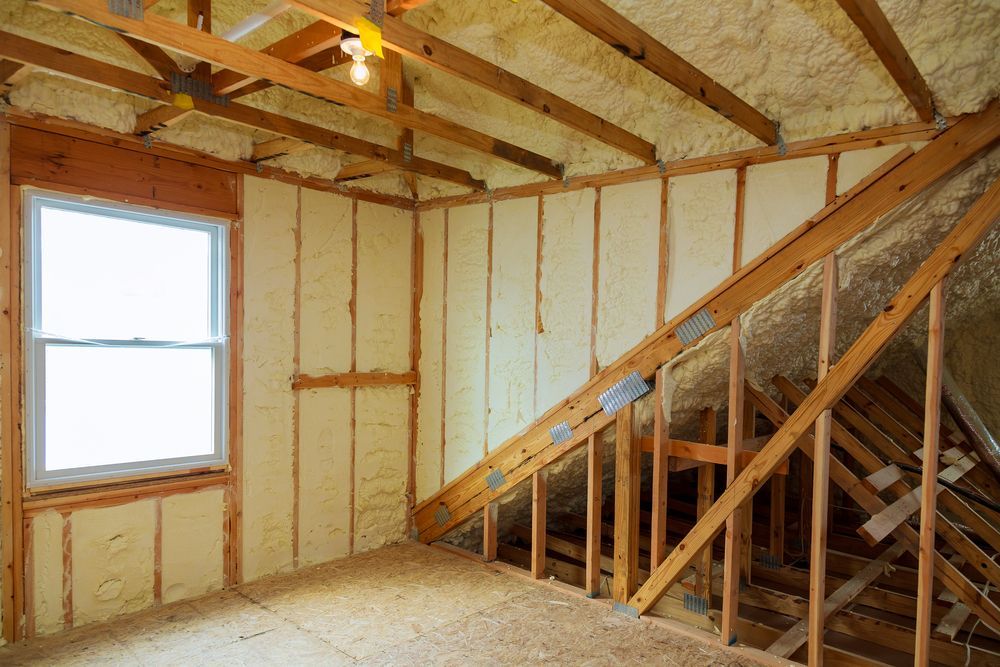
Your commercial roof may be losing conditioned air through gaps, seams, and aging membrane surfaces that no longer provide adequate insulation. In Missouri, temperature swings between seasons put extra stress on roofing materials, and older systems often lack the thermal barrier needed to keep energy costs manageable. Spray foam roofing fills those gaps, creates a seamless waterproof layer, and adds significant insulation value in a single application. SRI Contractors offers spray foam roofing and coating systems for commercial buildings, with experience applying coatings suited to Midwest climate conditions.
The process involves cleaning and preparing the existing roof surface, then applying closed-cell spray polyurethane foam that expands and hardens to form a continuous barrier. A protective coating is added on top to resist UV damage, weather exposure, and foot traffic. This system is ideal for improving insulation, waterproofing, and energy efficiency, and is often used as part of restoration strategies for aging commercial roofs that are not yet at the point of full replacement.
If you are considering a roof restoration option that adds insulation and extends roof life, contact SRI Contractors to discuss whether spray foam is a good fit for your building.
What Happens During Foam Application and Coating
Installation begins with a thorough roof inspection to identify any structural issues, moisture problems, or areas that need repair before foam is applied. In Missouri, we often find that older roofs have ponding water or deteriorated seams that must be addressed first. The surface is then cleaned, dried, and prepped to ensure proper adhesion. Spray foam equipment is brought on-site, and foam is applied in controlled passes to build up the desired thickness and insulation value.
After the foam cures, you will notice that your roof surface is smooth, seamless, and free of the gaps and joints that previously allowed air and water infiltration. The protective coating is applied next, creating a durable top layer that reflects sunlight and resists cracking. Your building will stay cooler in summer, retain heat better in winter, and experience fewer leaks from weather exposure.
The entire process typically takes several days depending on roof size and weather conditions. Work is scheduled to avoid disrupting your operations, and safety-driven installation practices are followed throughout. This system is focused on long-term performance and reduced maintenance, and it is available throughout the surrounding area for commercial property owners looking to extend roof life without a full tearoff.
You Probably Have a Few Questions
Property owners often want to know how spray foam compares to other roofing options, how long it lasts, and what kind of maintenance it requires after installation.
SRI Contractors has applied spray foam and coating systems across Missouri commercial properties, including facilities that have seen measurable reductions in energy use and roof maintenance costs. If your building has an aging roof that needs better insulation and waterproofing, get in touch to schedule a consultation.